Let Clacton decide: the case against Farage belongs to voters, not quangos
The parties queuing up to boycott his by-election say Nigel Farage is running from scrutiny. Their refusal to face the voters suggests something closer to the opposite.
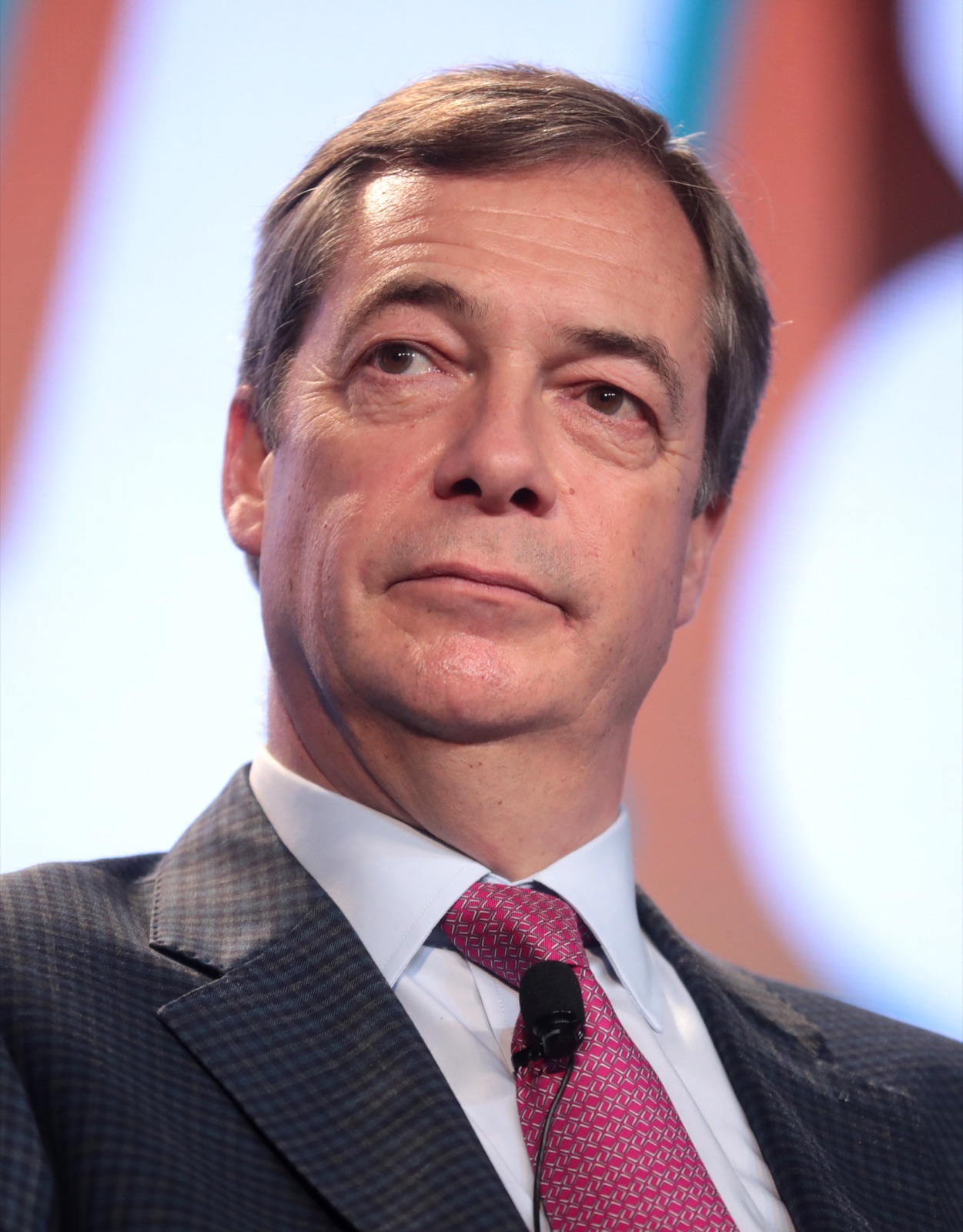
Nigel Farage has done the one thing the Westminster class least expected and most dislikes: he has handed the decision back to the people who actually elected him. By resigning as the member for Clacton and forcing a by-election he fully intends to contest, the Reform UK leader has turned a standards inquiry into a referendum on his own conduct. His opponents call it a stunt. It is a good deal braver than anything they are offering in reply.
The charge sheet is now familiar. Farage is under investigation by the Parliamentary Commissioner for Standards over a £5m gift from the businessman Christopher Harborne, received before he was elected in 2024, and over support — staff and security — from his long-time ally George Cottrell. He says the money was for his personal security, that the benefits pre-date his mandate, and that he has “absolutely obeyed” the rules. Reasonable people can find that unsatisfying and still notice that it is not, on its face, a story about public money bought and spent for private gain in office.
The rules are greyer than the outrage
Parliament's own guidance tells new members to register benefits from the year before their election — and then carves out an exemption for “purely personal gifts”, adding that “if there is any doubt, the benefit should be registered”. That is not the language of a bright red line; it is the language of a judgement call. Whether a pre-election arrangement to fund a politician's personal security counts as a registrable interest or a personal gift is precisely the sort of question honest people argue about. Turning a contested judgement into a morality tale is a choice, and a convenient one for parties with reasons of their own to want Farage gone.
The boycott is the tell
Here is the part his critics would rather you did not dwell on. Labour, the Conservatives, the Liberal Democrats and Rupert Lowe's Restore Britain have all announced they will not stand a candidate. If the case against Farage were as damning as their press releases insist, they would be sprinting to Clacton to beat him in front of the cameras. Instead they are declining to compete and calling it principle. Sir Ed Davey wants everyone to “stand aside”; Labour's ruling body has decided the contest is a “circus”; Kemi Badenoch dismisses it as a “fake” by-election. Strip away the adjectives and the message is the same: we would rather not ask the voters of Clacton what they think.
That is a strange posture for parties that spend every other week lecturing about the sanctity of democratic accountability. There is even a precedent they know well. In 2008 the Conservative David Davis forced a by-election in Haltemprice and Howden to make a point about civil liberties, and Labour and the Liberal Democrats sat it out. Among those who also declined to stand was a certain Nigel Farage. The device was legitimate then, and it is legitimate now, whoever is wielding it.
Who gets to judge an MP?
Underneath the theatre is a genuine constitutional question, and it is the one Farage has cannily put at the centre of the fight: when a member's conduct is in dispute, who should be the judge — an appointed adjudicator working through a slow internal process, or the constituents who sent them to Parliament in the first place? A healthy democracy can hold both answers at once, but when they conflict it should lean towards the ballot box. Farage is betting, with some justification, that the people of Clacton are perfectly capable of weighing the allegations for themselves. A party that trusts voters on everything else should hesitate before deciding they cannot be trusted with this.
None of which lets him off the hook. If Farage wants to wear the “people versus the establishment” mantle, he has to submit to the scrutiny that comes with it, not merely out-manoeuvre it. Winning in Clacton would not answer the questions about Harborne and Cottrell, and it should not end the standards process; the inquiry can, and should, resume. He owes voters straight answers about who funded him and why, in public and on the record, before polling day and not after. That is the price of the argument he has chosen to make.
But the demand that he face his voters is not the same as running from accountability — it is the sharpest form of it. His rivals could take the same test at any time. Tellingly, they won't. Let Clacton decide.


