2026 heatwaves cause at least 35,000 excess deaths across Europe and 2,900 in the UK – experts call for disaster‑level reporting
New estimates show early‑summer 2026 heatwaves led to roughly 2,900 excess deaths in the United Kingdom and at least 35,000 across Europe, yet the events receive far less immediate attention than floods or earthquakes.
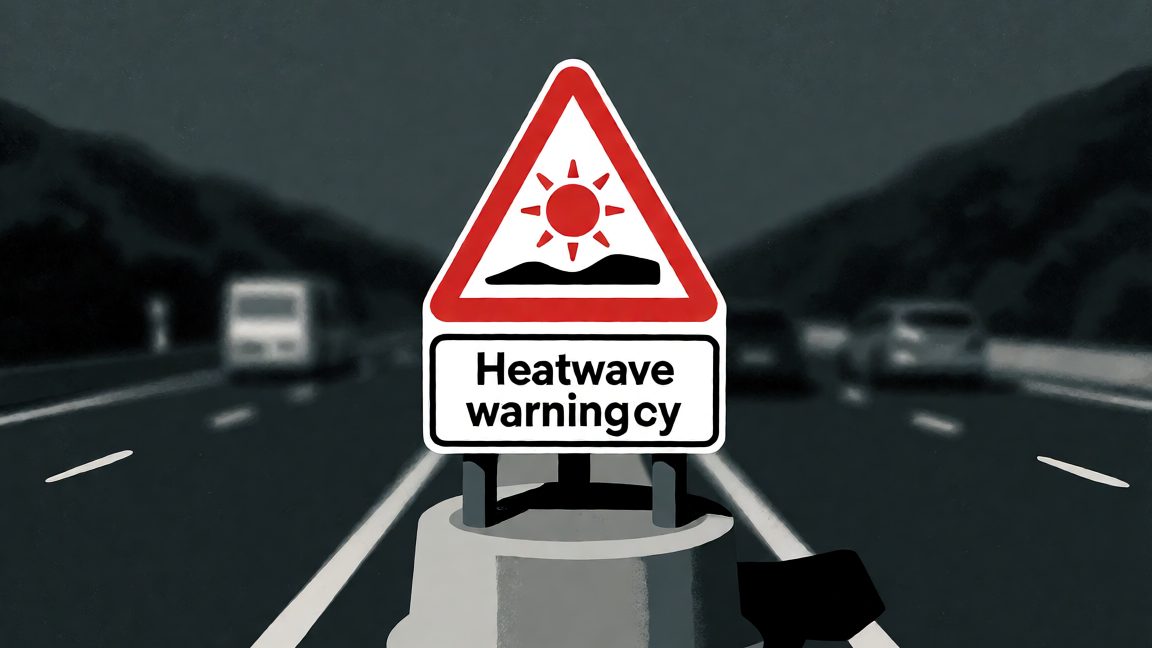
Early‑summer 2026 heatwaves have produced the first continent‑wide excess‑death estimates for the year, with the Guardian editorial published on 6 September 2026 reporting roughly ≈2,900 excess deaths in the United Kingdom and ≥35,000 excess deaths across Europe.
Excess‑death estimates for the 2026 heatwave season
The editorial states that “the numbers are now trickling in: nearly 2,900 dead in the UK, at least 35,000 dead across Europe.” These figures refer to the period of the early‑summer heatwaves, before the August heatwave deaths have been counted. The estimates are presented as “excess deaths”, meaning the number of deaths above the expected baseline for the same period in previous years.
| Region | Estimated excess deaths | Source |
|---|---|---|
| United Kingdom | ≈2,900 people | The Guardian editorial (6 Sep 2026) |
| Europe (overall) | ≥35,000 people | The Guardian editorial (6 Sep 2026) |
| Source: The Guardian – editorial on extreme heat, 6 Sep 2026 | ||
These numbers place the heatwave mortality burden on a scale comparable to other recent natural disasters. The editorial notes that “the hundreds who died last month after flooding in Nepal, or during the 2024 floods in Valencia, Spain” are processed as discrete disaster events, whereas the heatwave deaths are not.
How heatwave mortality is framed compared with other disasters
The Guardian piece argues that heatwaves are “rarely framed as major natural disasters” and therefore escape the rapid reporting mechanisms applied to floods, earthquakes or volcanic eruptions. It lists several reasons: heatwaves unfold over longer periods, they lack dramatic visual impact, and the majority of victims are elderly or otherwise vulnerable, which can delay the registration of deaths.
Because excess deaths from heatwaves often become apparent weeks or months after the event, the editorial suggests that the lag “makes heatwaves seem less immediate and visible”. This contrasts with the “visceral shock” typically generated by sudden events such as earthquakes, which trigger swift governmental and media responses.
Calls for disaster‑level reporting of heat‑related mortality
Given the scale of the excess‑death estimates, the editorial urges policymakers to treat heatwaves as major natural disasters. It states: “With thousands dead across Europe this summer, it’s time to recognise heatwaves as the major natural disasters they are.” The call is for a consistent reporting framework that would bring heat‑related mortality into the same monitoring and emergency‑response channels used for floods and earthquakes.
Such a shift would require changes in how statistical agencies record and publish heat‑related deaths, as well as adjustments in media practice to give heatwaves comparable headline‑making urgency. The editorial does not provide a concrete timetable for these reforms, noting only that “the death tolls for the August heatwaves have yet to be counted”.
Uncertainties and data gaps
While the early‑summer figures are now available, the total mortality impact of the 2026 heatwave season remains incomplete. The editorial acknowledges that “the death tolls for the August heatwaves have yet to be counted”, meaning the final European excess‑death count could rise above the current ≥35,000 estimate.
Furthermore, the methodology behind the excess‑death calculations is not detailed in the editorial, leaving open questions about baseline selection, age‑adjustment, and regional variations. No other source in the packet provides an independent statistical agency’s verification, so the figures currently rely on the Guardian’s reporting of the estimates.
Finally, the editorial does not quantify the speed of reporting for other disasters, only asserting that heatwaves receive “less immediate media and governmental attention”. Without comparative timelines, the claim remains a qualitative observation rather than a measured difference.
In sum, the newly released excess‑death estimates highlight a substantial health burden from the 2026 heatwave season. The Guardian editorial frames this as a missed opportunity for disaster‑level reporting, urging European authorities to align heat‑related mortality monitoring with the protocols applied to more traditionally recognised natural hazards.


