Berlin commission finds authority failures but no cover‑up in youth club rape case
A shortened report released on 13 September 2026 says Berlin’s youth‑welfare authorities mishandled the alleged rape of a 16‑year‑old at a Neukölln club, citing unclear communication and lack of decisive leadership, while finding no evidence of a deliberate cover‑up.
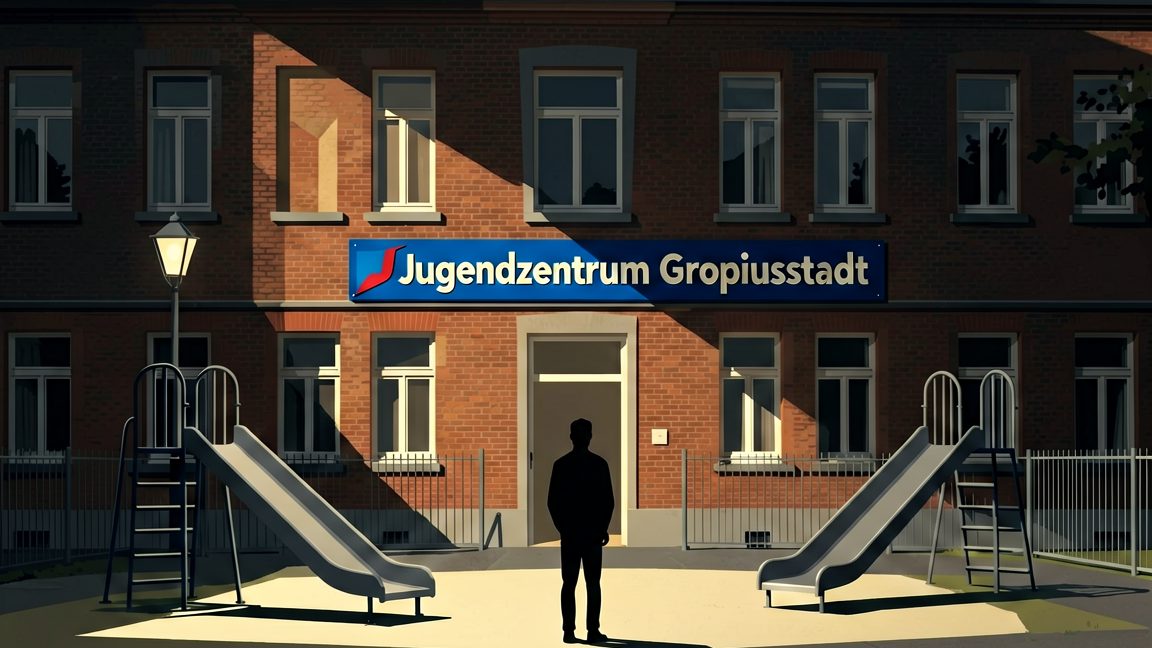
A shortened report published on 13 September 2026 by a commission appointed by the Neukölln district office concludes that Berlin’s youth‑welfare authorities committed serious errors in handling the alleged rape of a 16‑year‑old at the Gropiusstadt youth club, but it found no evidence of a deliberate cover‑up.
Commission’s core findings
According to Zeit – Gesellschaft, the commission stated that it had identified “gravierende Fehler und Behördenversagen” – grave errors and authority failures – in the way the case was handled. The report attributes these failures to four interlinked problems:
- Unclear communication between the youth centre and the Jugendamt (youth welfare office);
- Divergent interpretations of what had been said or reported;
- Misunderstandings that arose from the above;
- A lack of “stringenten Führungsverhalten” – decisive, consistent leadership – on the part of the Jugendamt.
The commission’s wording, as quoted in the article, reads: “Die Bearbeitung des Falls sei von unklarer Kommunikation, unterschiedlicher Interpretation des Gesagten oder Berichteten, Missverständnissen und fehlendem stringenten Führungsverhalten durch das Jugendamt geprägt.” This directly supports the main claim that the handling was characterised by unclear communication, differing interpretations and insufficient leadership.
Importantly, the commission also reported that it could not find “Anhaltspunkte für eine bewusste Vertuschung” – any indication of a deliberate cover‑up – of the alleged sexual violence. The absence of such evidence was highlighted alongside the criticism of procedural failures.
Timeline of key events
| Date | Event |
|---|---|
| Late 2025 | Alleged rape of a 16‑year‑old at the Gropiusstadt youth club. |
| February 2026 | Father files a criminal complaint after learning that neither the youth centre nor the Jugendamt had reported the incident. |
| March 2026 | The youth club is closed. |
| 13 September 2026 | Commission releases shortened report confirming authority failures and stating no evidence of a deliberate cover‑up. |
| Source: Zeit – Gesellschaft article (2026‑09‑13). | |
The timeline shows that the alleged crime occurred more than a year before the commission’s findings were made public, and that the youth club was shut down shortly after the father’s complaint.
Political reaction and calls for action
Neukölln district youth councillor Sarah Nagel responded to the commission’s conclusions, stating: “Die Ergebnisse verpflichten uns zum Handeln.” By linking the findings to an obligation to act, Nagel signals that the district intends to review and possibly reform its child‑protection procedures.
While the commission’s report does not name individual officials, its criticism of “unclear communication” and “missing decisive leadership” points to systemic issues within the Jugendamt. The district’s next steps are expected to involve a review of internal protocols, training for staff, and a reassessment of reporting obligations to ensure that future complaints are escalated promptly.
Open questions and remaining uncertainties
The report leaves several points unresolved. First, the exact mechanisms that led to the breakdown in communication have not been detailed; the commission notes the problem but does not map the specific procedural gaps. Second, while it rules out a deliberate cover‑up, it does not address whether any informal pressures may have influenced the handling of the case.
Finally, the impact on the victims and their families remains largely undocumented in the public record. The father’s criminal complaint in February 2026 demonstrates personal initiative, but the broader community response – for example, whether other youths felt unsafe at the centre before its closure – is not covered by the source material.
As the shortened report is the only official document released so far, further information may emerge from a full version of the commission’s findings or from subsequent parliamentary inquiries. Until then, the documented authority failures and the absence of evidence for a cover‑up remain the definitive facts on record.
In sum, the Berlin investigation commission has confirmed serious procedural shortcomings in the handling of the alleged rape at the Gropiusstadt youth club, while also clearing the authorities of intentional concealment. The district’s stated commitment to act suggests that the findings will feed into a broader review of child‑protection measures in Berlin.


