Swedish Ekot poll shows left‑wing bloc at 50.8 % ahead of election, a 3.2‑point lead
The Ekot poll released on 13 September 2026 puts the centre‑left bloc at 50.8 % of the vote, the centre‑right at 47.6 %, a 3.2‑percentage‑point gap, and reveals Social Democrats at 28.6 % versus Sweden Democrats at 18.3 %.
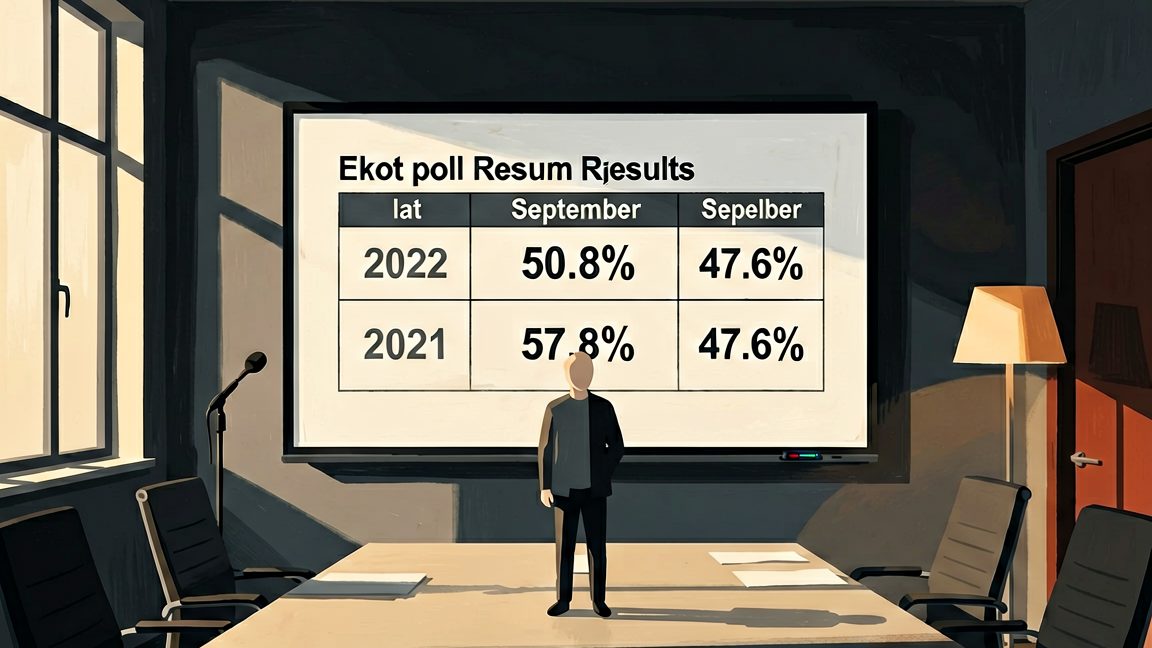
The Ekot poll released on 13 September 2026 shows Sweden's left‑wing bloc at 50.8 % of the vote, ahead of the right‑wing bloc’s 47.6 %, a lead of 3.2 percentage points.
Poll methodology and headline figures
The poll was commissioned by Swedish news service Ekot and reported by BBC Europe. It provides the first detailed breakdown of bloc‑level support ahead of the Sunday parliamentary election.
According to the BBC Europe article, the left‑wing bloc captured 50.8 % of respondents, while the right‑wing bloc obtained 47.6 % – a 3.2‑percentage‑point advantage for the left. The figures are tied to the poll conducted on 13 September 2026 and represent a snapshot of voter intention on that date.
Party‑level results
Beyond the bloc totals, the Ekot survey gives the share of two of the largest parties. The centre‑left Social Democrats lead with 28.6 % of the vote, and the right‑wing Sweden Democrats trail at 18.3 %.
| Party | Percentage | Bloc |
|---|---|---|
| Social Democrats | 28.6 % | Left‑wing |
| Sweden Democrats | 18.3 % | Right‑wing |
| Source: BBC Europe, reporting on Ekot poll released 13 September 2026. | ||
Government formation stakes
Prime Minister Ulf Kristersson has publicly promised cabinet posts for hard‑right allies if he remains at the helm after the election. The Sweden Democrats, who sit in the right‑wing bloc, are therefore positioned to negotiate for ministerial roles should the right retain power.
Conversely, the left‑wing bloc’s lead, anchored by the Social Democrats, suggests a possible return to power for Magdalena Andersson, the party’s leader, according to the poll’s commentary.
Expert commentary on the Sweden Democrats
Nicholas Aylott, associate professor of political science at Södertörn University, told the BBC that the Sweden Democrats entering government “would be another big step in the normalisation of the party.” His assessment underscores the symbolic weight of any coalition that includes the hard‑right party.
What the numbers mean for voters
The 3.2‑percentage‑point gap is narrow enough that a modest swing on election day could alter the balance of power. Voters who prioritise issues such as national security, gang crime and welfare spending – themes highlighted in the BBC Europe excerpt – may weigh the promises of cabinet posts for the Sweden Democrats against the Social Democrats’ pledge of higher public spending.
Uncertainties ahead of the vote
The poll does not disclose the margin of error, nor does it break down support for smaller parties that could become king‑makers in a coalition. Additionally, the exact date of the Sunday election is not specified in the packet, leaving the interval between the poll (13 September) and the vote unclear.
What remains unknown is how the promised cabinet posts will be allocated if the right‑wing bloc retains a plurality, and whether the Sweden Democrats’ share will translate into decisive bargaining power. The upcoming vote will be the first test of whether the 3.2‑point lead holds, narrows, or disappears.
As the final poll before the election, the Ekot figures provide the most up‑to‑date measurement of voter sentiment, but the ultimate outcome will depend on turnout and any late‑campaign shifts that the poll cannot capture.


